Routine oil changes are one of the most important maintenance services you can perform to keep your vehicle running smoothly and efficiently. Engine oil plays a critical role in protecting internal engine components, reducing friction, regulating temperature, and preventing premature wear. Over time, oil breaks down and becomes contaminated, making regular oil changes essential for maintaining your vehicle’s performance and longevity.
Whether you drive a car, truck, SUV, or hybrid vehicle, staying current with oil change service can help prevent costly repairs and ensure your engine operates at its best.
What Does Engine Oil Do?
Engine oil serves several important functions that keep your vehicle’s engine healthy. Its primary purpose is to lubricate moving engine components, reducing friction and minimizing wear between metal parts. Without proper lubrication, engine components can generate excessive heat and suffer significant damage.
In addition to lubrication, engine oil helps remove contaminants, prevents corrosion, and assists in cooling the engine by transferring heat away from critical components. Clean oil allows the engine to operate more efficiently while maintaining optimal performance.
Why Regular Oil Changes Matter
As engine oil ages, it loses its ability to effectively protect your engine. Dirt, debris, combustion byproducts, and moisture can accumulate within the oil, reducing its effectiveness and potentially causing engine sludge to form.
Routine oil changes remove contaminated oil and replace it with fresh oil that provides proper lubrication and protection. Consistent oil maintenance helps improve engine efficiency, reduce wear, and extend the life of your vehicle.
Ignoring recommended oil change intervals can lead to increased engine strain, reduced fuel economy, overheating, and even catastrophic engine failure in severe cases.
Signs Your Vehicle May Need an Oil Change
Many vehicles provide maintenance reminders when an oil change is due, but there are additional warning signs drivers should recognize. Dark or dirty oil, unusual engine noises, reduced fuel efficiency, and illuminated oil warning lights may indicate it’s time for service.
Drivers may also notice rough engine operation, sluggish performance, or excessive exhaust smoke when oil quality has deteriorated. Addressing these symptoms promptly can help prevent more serious mechanical issues.
Conventional vs. Synthetic Oil
Modern vehicles may use either conventional motor oil or synthetic oil depending on manufacturer specifications. Conventional oil provides reliable lubrication for many vehicles, while synthetic oil offers enhanced performance and protection under extreme temperatures and demanding driving conditions.
Synthetic oils generally resist breakdown longer, provide better engine protection, and maintain viscosity more effectively than conventional oils. Many newer vehicles are specifically designed to operate with synthetic oil to maximize engine efficiency and longevity.
A professional technician can recommend the best oil type based on your vehicle’s make, model, and driving habits.
Benefits of Routine Oil Change Service
Regular oil changes provide numerous benefits beyond simple engine lubrication. Fresh oil helps improve fuel efficiency by reducing internal engine friction. It also helps maintain smoother engine operation and can contribute to lower emissions.
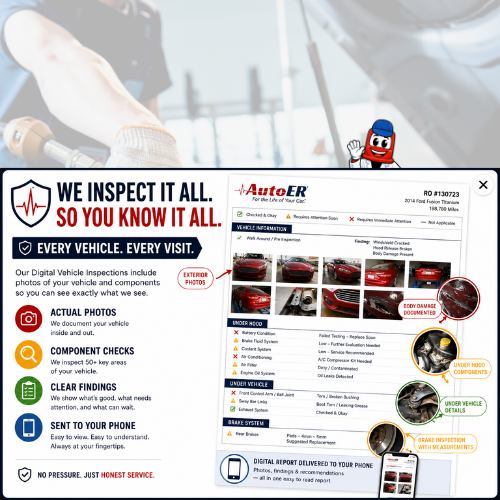
Routine oil service allows technicians to inspect other critical vehicle systems, identify potential concerns early, and ensure fluid levels remain within manufacturer specifications. These inspections can help drivers avoid unexpected breakdowns and expensive repairs.
Maintaining a consistent oil change schedule also supports vehicle resale value by demonstrating proper maintenance history.
How Often Should You Change Your Oil?
Oil change intervals vary depending on vehicle manufacturer recommendations, oil type, and driving conditions. While older vehicles often required oil changes every 3,000 miles, many modern vehicles can safely travel between 5,000 and 10,000 miles or more between services.
Factors such as stop-and-go traffic, extreme temperatures, towing, and frequent short trips may require more frequent oil changes. Consulting your owner’s manual and following manufacturer recommendations is the best way to determine the ideal maintenance schedule.
What Happens During a Professional Oil Change?
A professional oil change service involves more than simply replacing the engine oil. Technicians drain the old oil, replace the oil filter, install fresh oil according to manufacturer specifications, and inspect key vehicle systems.
Many oil change services also include checks of fluid levels, belts, hoses, tire condition, battery performance, and other maintenance items. This comprehensive approach helps ensure your vehicle remains safe and reliable between service visits.
Protect Your Engine with Regular Oil Change Service
Your vehicle’s engine is one of its most valuable and complex components. Regular oil changes are a simple and cost-effective way to protect that investment while maximizing performance, fuel efficiency, and reliability.
By following a consistent maintenance schedule and using the correct oil for your vehicle, you can help prevent unnecessary wear and keep your engine operating efficiently for years to come. Let the professionals at 2383 SW Archer Rd, Gainesville, FL 32608 provide you the care and expertise needed to maintain your vehicle’s long-term health and performance. Give us a call today (352) 372-2232
Frequently Asked Questions About Oil Changes
How often should I get an oil change?
The recommended interval depends on your vehicle and the type of oil used. Many modern vehicles require oil changes every 5,000 to 10,000 miles, while some may require more frequent service under severe driving conditions.
What happens if I skip an oil change?
Delaying oil changes can cause oil to become contaminated and lose its protective properties. This can lead to increased engine wear, reduced fuel efficiency, overheating, sludge buildup, and potentially expensive engine repairs.
How do I know if my vehicle needs an oil change?
Common signs include an illuminated oil maintenance light, dark or dirty oil, unusual engine noises, decreased fuel efficiency, rough engine performance, or reaching the manufacturer’s recommended mileage interval.
What’s the difference between synthetic and conventional oil?
Synthetic oil is engineered to provide superior protection, improved temperature resistance, and longer-lasting performance compared to conventional oil. Many newer vehicles are designed specifically for synthetic oil.
Does changing my oil improve fuel economy?
Yes. Fresh oil reduces friction inside the engine, allowing it to operate more efficiently. This can help improve fuel economy and overall engine performance.
Why is the oil filter replaced during an oil change?
The oil filter captures dirt, debris, and contaminants circulating through the engine. Replacing the filter ensures clean oil can properly protect engine components.
Can I drive with low engine oil?
Driving with low oil levels can cause severe engine damage due to inadequate lubrication. If you suspect low oil levels, check the oil immediately and add oil or schedule service as needed.
How long does an oil change take?
Most professional oil change services can be completed in approximately 30 to 60 minutes, depending on the vehicle and any additional inspections or maintenance performed.
Are oil changes important for newer vehicles?
Absolutely. Even modern vehicles with advanced engine technology require regular oil changes to maintain performance, protect engine components, and preserve warranty coverage.
Can regular oil changes extend engine life?
Yes. Consistent oil changes help reduce wear, prevent sludge buildup, maintain proper lubrication, and significantly increase the lifespan of your engine.