Brake Repair
Brake Repair in Gainesville, FL
Maximizing Your Car’s Stopping Power


Why Your Brake Components Matter
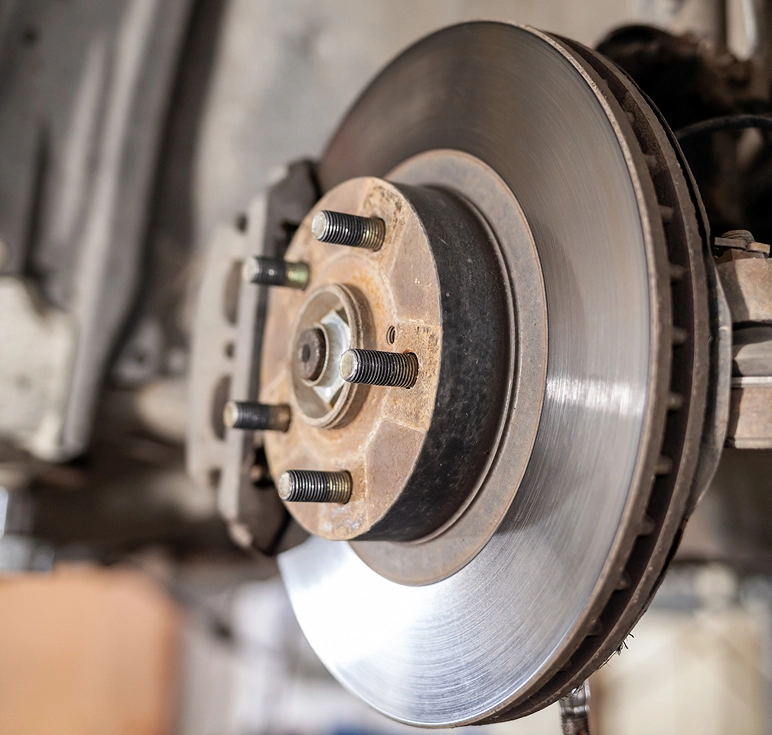
Your vehicle’s brake system consists of several critical components working together to ensure safe stopping power. Auto ER – Gainesville Tire understands that brake pads create friction against brake rotors to slow your vehicle. In contrast, brake calipers house the pistons that press the pads against the rotor. The master cylinder converts your foot pressure on the brake pedal into hydraulic pressure, sending brake fluid through brake lines to activate the entire system. Modern vehicles also include an ABS that prevents wheel lockup during emergency braking. When any of these components fail, you need professional brake repair to maintain your safety on Gainesville roads. Our ASE-certified technicians at 4207 NW 6th St , Gainesville, FL 32609 use computerized diagnostic equipment to identify exactly which brake components require attention. Whether your vehicle has disc brakes on all four wheels or a combination of disc and drum brakes, we have the expertise to restore your braking system to optimal performance.
Frequently Asked Questions About Brake Repair
We recommend having your brake system inspected every 12,000 miles or annually to catch potential issues before they become major problems and ensure optimal safety.
Aggressive driving habits, frequent stop-and-go traffic, mountainous terrain, and heavy loads can accelerate brake pad wear, requiring more frequent replacement.
While squealing brakes may still function, this noise indicates worn brake pads that should be replaced promptly to prevent damage to more expensive brake rotors.
Most brake pad replacements take one to two hours. In contrast, more complex brake repairs involving calipers or rotors may require additional time depending on your vehicle’s specific needs.
A brake fluid flush removes old, contaminated fluid from your entire brake system. It replaces it with fresh fluid, ensuring optimal hydraulic pressure and preventing internal corrosion.