Brake Repair in High Springs, FL | Auto ER - City Boy's | Professional Brake Service, Brake Pad Replacement, Rotor Repair, Brake Fluid Flush, ABS Diagnostics, Emergency Brake Adjustment, Quality Parts & Warranties

2,312 Reviews

Brake Repair

Request An Appointment

Brake Repair in High Springs, FL

Brake Services to Keep You Safe on the Road

Brake Care You Can Count on for Safety

Your vehicle’s braking system isn’t something to gamble with—it’s a critical safety feature that demands skilled attention. At Auto ER – City Boy’s, we’ve proudly served drivers in High Springs and nearby communities for over 15 years, delivering dependable brake repairs backed by honest diagnostics and quality workmanship. Our ASE-certified technicians use advanced diagnostic tools to pinpoint issues with precision, whether it’s worn brake pads, damaged rotors, or complications within your master cylinder or ABS.

If you notice squealing, reduced responsiveness, or a soft pedal, it’s time to act before the issue escalates. You can find us at 18788 High Springs Main St, High Springs, FL 32643, with convenient hours available Mon – Fri: 8AM – 5:30PM during the week and Weekends: 8AM – 5PM on weekends. From routine brake pad replacements to full system repairs, we handle it all—and we stand behind every service with strong warranty coverage for added peace of mind.

Key Brake Symptoms You Should Never Ignore

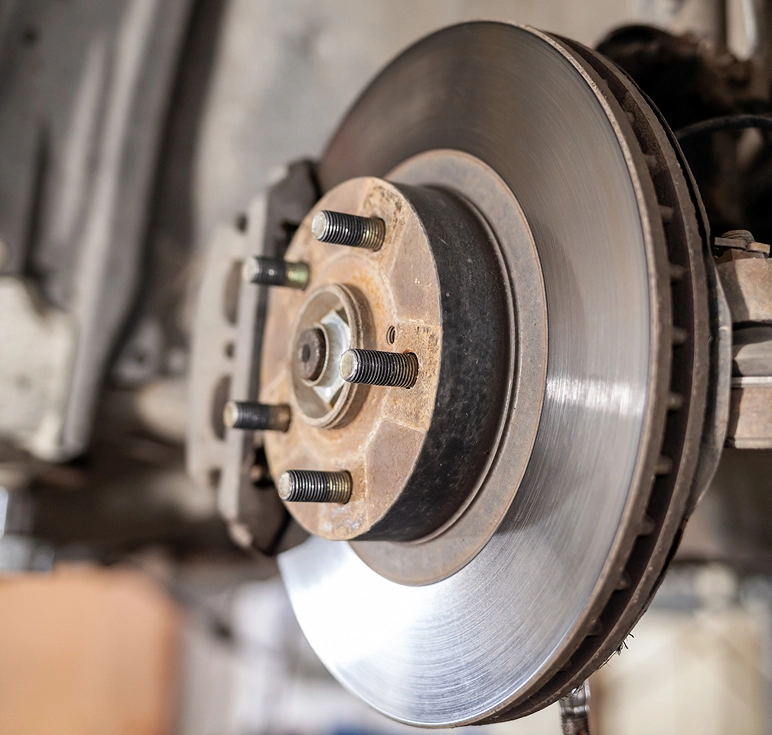
Catching brake problems early can help you avoid costly repairs and dangerous driving conditions. One of the first warning signs is a high-pitched squeal when braking, often caused by worn brake pads. If that sound turns into grinding, it typically means the pads have worn down completely, allowing metal-to-metal contact that can damage your rotors.

A soft or spongy brake pedal can point to issues with brake fluid, air in the lines, or a failing master cylinder. If the pedal sinks toward the floor, it’s a serious concern that needs immediate attention. Pulling to one side while braking may indicate uneven pad wear, a sticking caliper, or fluid imbalance, while vibrations in the steering wheel often signal warped rotors.

Dashboard brake warnings and increased stopping distance should never be dismissed. If you’re experiencing any of these symptoms, call (386) 454-2193 to schedule a professional inspection and get a clear understanding of what your vehicle needs.

Full-Service Brake Repairs with Quality Parts

We provide a complete brake system service, covering every component that affects your vehicle’s stopping power. Whether your car uses disc or drum brakes, our technicians have the expertise to service both systems correctly. For disc brakes, we evaluate pad wear, rotor condition, and caliper function. For drum brakes, we inspect shoes, wheel cylinders, and hardware to ensure proper operation.

Our services also include brake fluid flushes to remove contaminants, caliper replacements for sticking or leaking components, and wheel bearing inspections that can impact braking performance. We also adjust and service parking brakes to ensure reliable holding strength.

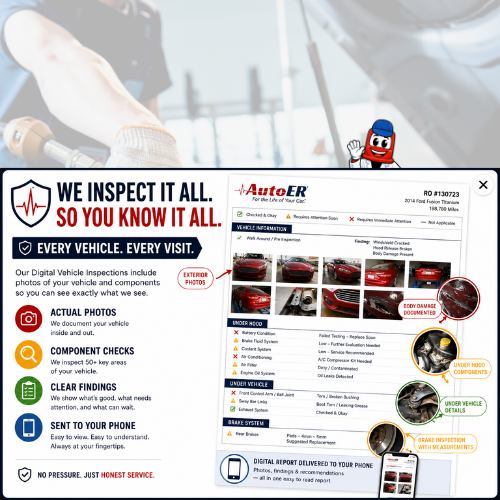
Every repair starts with a detailed digital inspection, so you can see exactly what we see and understand why each recommendation is made. We use high-quality OEM or equivalent parts and follow proper break-in procedures for new pads and rotors to maximize performance and longevity, helping you drive with confidence every time you hit the road.

Frequently Asked Questions About Brake Repair

Brake pad replacement intervals typically range from 25,000 to 70,000 miles, depending on your driving habits, vehicle type, and brake pad material, with city driving requiring more frequent replacement than highway driving.

While squealing brakes don’t always indicate immediate danger, they signal that your brake pads are worn and need inspection soon to prevent damage to rotors and ensure continued safe braking performance.

Brake rotors typically warp due to excessive heat from aggressive braking, driving with worn brake pads, or improper installation, resulting in vibration and reduced braking effectiveness that require professional attention.

Brake fluid should be changed every two to three years or when it becomes dark or contaminated, as old fluid absorbs moisture and can cause corrosion in brake lines and reduced braking performance.

A comprehensive brake inspection includes checking brake pads and shoes, rotors and drums, brake fluid condition, brake lines, calipers, master cylinder, and ABS components to ensure your entire braking system functions safely.